
Planning a Destination Wedding? What Your Venue May Not Take Care Of
November 2, 2026
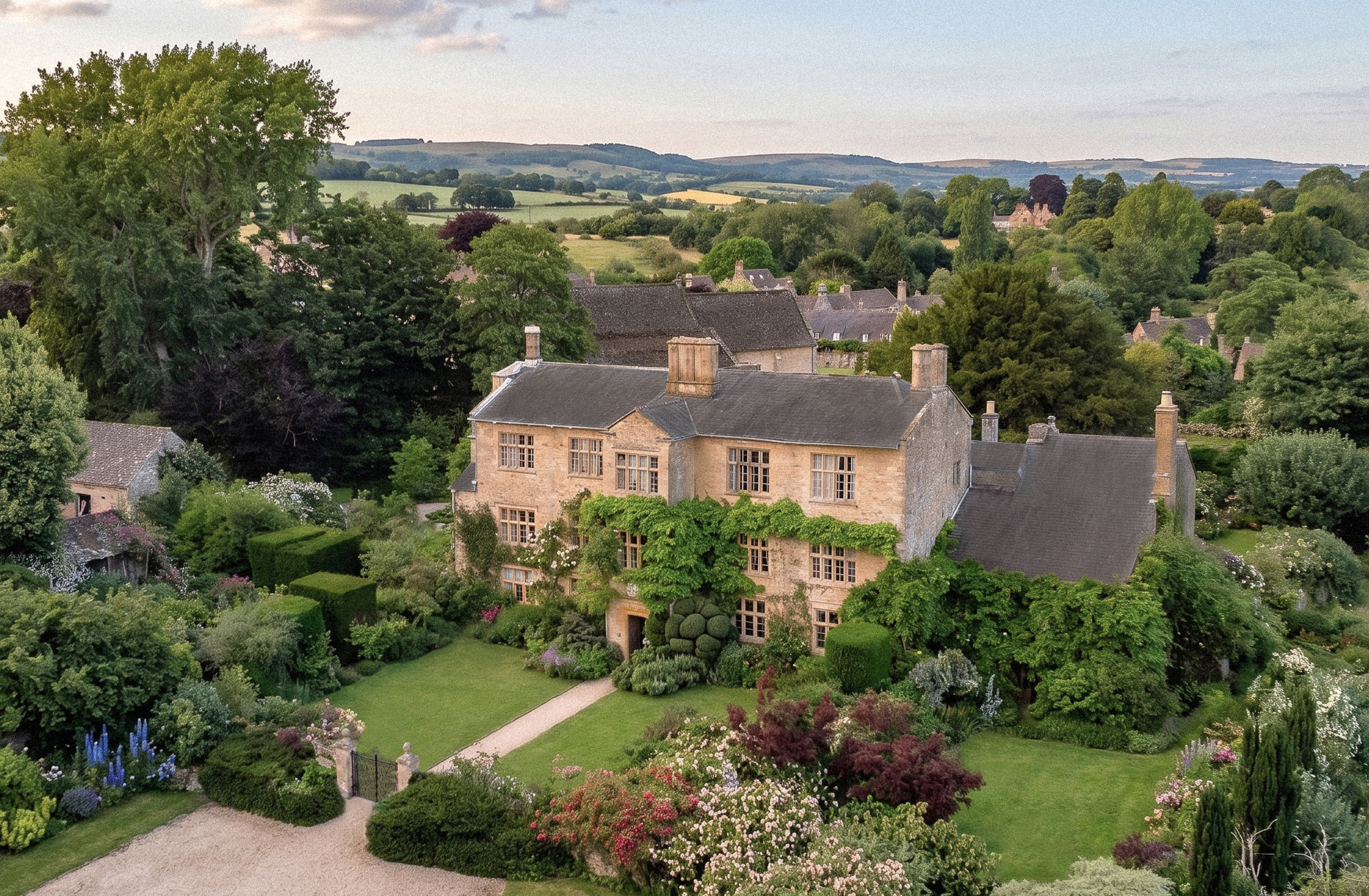
You find the venue. Perhaps it’s a centuries-old villa in Sicily, with a courtyard you can already picture filled with your favourite people. Or an English country house, surrounded by gardens, where you imagine spending an entire weekend with family and friends.
You visit, fall in love with it, and book your date.
Then, somewhere between the excitement of signing the contract and opening your first planning spreadsheet, the questions begin.
Who will organise transport for guests staying in different hotels? Who will coordinate the florist, caterer and production team? Who checks whether the band can play until midnight? And who makes sure the entire weekend actually works?
These are some of the questions that make destination wedding planning rather different from simply booking a beautiful venue.
The good news is that you don’t necessarily need to manage everything yourself. However, you do need to understand who is responsible for what.
What Does a Destination Wedding Venue Actually Take Care Of?
A good venue team can be invaluable. They understand their property, know its limitations and often have years of experience hosting weddings.
Depending on the venue, their responsibilities might include managing accommodation, coordinating in-house catering, overseeing venue staff and ensuring suppliers follow the property’s rules.
Some venues go much further. They offer comprehensive wedding packages, dedicated event managers and extensive planning support.
Others operate primarily as exclusive-use properties. They provide the setting, facilities and perhaps a list of recommended suppliers, leaving couples to organise the celebration independently.
Neither approach is inherently better.
The important distinction is between managing the venue and managing the wedding.
For example, your venue coordinator may oversee the timing of dinner service. However, that doesn’t automatically mean they will create your entire wedding timeline, coordinate your photographer’s schedule or arrange transport for guests leaving at different times.
Before signing a contract, ask for a written explanation of exactly what the venue team will manage, both during the planning process and on the wedding day.
The Destination Wedding Planning Responsibilities Couples Often Overlook
The most complicated parts of a destination wedding are rarely the ones you notice in the photographs.
They’re the decisions happening behind the scenes, often months before anyone boards a plane.
Guest Accommodation and Transportation
Imagine inviting 100 guests to Sicily. Some stay at your wedding venue, others book hotels in nearby towns, and several arrive on different flights.
Who helps everyone understand where to stay? Will you reserve hotel room blocks? Are airport transfers necessary? Can coaches reach the venue entrance, or will smaller vehicles be required?
In certain Italian towns, restricted traffic zones, known as ZTLs, can complicate transport arrangements.
Meanwhile, countryside venues in England may have limited local taxis, particularly late at night.
These details affect the guest experience. More importantly, someone needs to take responsibility for organising them.
Supplier Sourcing and Communication
Booking talented suppliers is only part of the process.
Your florist needs access for installation. Your caterer needs to understand the available kitchen facilities. Your musicians may require specific power supplies, staging or sound equipment.
Someone must also coordinate deliveries, setup schedules, collection times and the practical requirements of each team.
A venue might facilitate these arrangements, but it may not manage every supplier’s individual responsibilities.
Ceremonies, Permissions and Restrictions
Civil, religious and symbolic ceremonies have different requirements.
In Italy, legal marriage procedures can involve documentation, translations and appointments with local authorities. Religious ceremonies may have additional requirements.
In England, legal ceremony arrangements depend on the type of ceremony and the approved location.
Beyond the ceremony itself, venues may impose restrictions on music, outdoor installations, fireworks, candles, access hours or supplier equipment.
Never assume that something is permitted simply because you’ve seen it at another wedding.
Catering, Production and Practical Infrastructure
A beautiful private estate doesn’t necessarily come with everything needed to host a wedding.
Depending on the property, you may need additional furniture, tableware, catering equipment, lighting, generators, toilets or temporary structures.
Then there is staffing. Who serves the drinks? Who manages the cloakroom? Who clears the ceremony space before dinner?
These are all questions worth asking before committing to a venue.
Budget Management and Unexpected Costs
One of the biggest misunderstandings I encounter is the assumption that the venue’s quoted price represents most of the wedding investment.
In reality, the hire fee may be only one part of the budget.
VAT, supplier travel, additional staffing, production, transportation and extra events can change the final figure considerably.
For this reason, I always encourage couples to build a realistic overall budget before committing too much of it to one element.
Why Planning a Wedding Abroad Is Different
When you plan a wedding close to home, you usually understand the local landscape. You know roughly how far places are from one another, how transport works and what to expect from suppliers.
Planning from another country introduces a different set of considerations.
You may have limited opportunities to visit your venue. Supplier meetings happen across time zones. Contracts may follow unfamiliar practices, and cultural expectations can differ.
As a Sicilian wedding planner living in London, I work between two places I know intimately. Yet I would never approach a wedding in Sicily in exactly the same way as a celebration in the English countryside.
In Sicily, local knowledge might mean understanding seasonal conditions, navigating supplier availability or organising transport around historic towns.
In England, the priorities may involve ceremony arrangements, countryside accommodation, venue access restrictions or a detailed wet-weather plan.
Both destinations offer extraordinary possibilities. However, each requires its own planning approach.
That is why destination wedding planning in Italy or England should begin with understanding the place, rather than simply recreating a wedding you’ve seen elsewhere.
Do You Actually Need a Destination Wedding Planner?
Not necessarily.
Some couples genuinely enjoy researching suppliers, managing budgets and organising complex schedules. If your venue provides extensive support and your celebration is relatively straightforward, independent planning may work very well.
However, it’s worth considering how much time you have available and how comfortable you feel managing the process from abroad.
Are you confident reviewing supplier contracts? Do you understand the local logistics? Can you coordinate several suppliers while also managing guest questions and your everyday responsibilities?
And perhaps most importantly, do you actually want to?
A destination wedding planner becomes particularly valuable when a celebration involves multiple locations, cultural traditions, extensive design, several events or significant guest logistics.
The purpose isn’t to take away your involvement. It’s to give you the freedom to focus on the decisions you enjoy, knowing that someone is looking after the wider picture.
Venue Coordinator vs Destination Wedding Planner vs Wedding-Day Coordinator
These three roles often overlap, which explains why couples sometimes struggle to understand what they need.
The Venue Coordinator
A venue coordinator generally represents the property.
Their responsibilities may include managing venue access, overseeing in-house services, communicating property requirements and ensuring the venue operates according to its agreement.
Some offer considerably more support, so always check their actual remit.
The Destination Wedding Planner
A destination wedding planner typically oversees the wider planning process.
Depending on the service, this can include budget development, supplier sourcing, contract coordination, logistics, creative design, guest experience and the overall wedding timeline.
Their responsibility extends beyond the venue itself and across the suppliers and events included in the planning agreement.
The Wedding-Day Coordinator
A wedding-day coordinator focuses on bringing together the arrangements couples have already made.
However, effective coordination rarely begins on the wedding morning.
It requires advance preparation, supplier communication, timeline development, logistical reviews and an understanding of the decisions already agreed.
At MEWE, our coordination services begin ahead of the wedding because arriving on the day without that preparation would leave too much to chance.
Ultimately, the difference between a destination wedding coordinator and a wedding planner lies in the scope and timing of their responsibilities, not simply their job titles.
The Hidden Complexity of a Multi-Day Destination Wedding
One of the loveliest aspects of a destination wedding is having more time together.
Instead of gathering for a single afternoon, your guests might enjoy a welcome dinner, a wedding celebration and a farewell brunch.
Perhaps you are incorporating cultural ceremonies, a poolside gathering or a relaxed evening before the wedding.
These experiences can make the celebration feel wonderfully personal.
However, each event also creates another set of decisions.
A welcome dinner needs a location, menu, drinks, staffing and possibly transportation. A farewell brunch requires its own timing, catering and guest communication.
Even something apparently simple, such as arranging a gathering at your accommodation, may involve additional venue permissions or minimum spending requirements.
The challenge isn’t necessarily the number of events. It’s ensuring they work together.
Guests need time to rest. Suppliers need realistic installation schedules. And the couple should have moments to enjoy the destination without feeling constantly rushed.
Thoughtful planning creates that balance.
Eight Questions to Ask Before Booking a Destination Wedding Venue
Before committing to a property, I would encourage every couple to ask these eight questions.
- What exactly does the venue hire include? Clarify accommodation, furniture, staffing, catering, cleaning, security, taxes and any compulsory extras.
- Who will be our main contact throughout planning and on the wedding day? Ask what they will personally coordinate and whether that responsibility changes after booking.
- Can we choose our own suppliers? Establish whether the venue requires approved caterers, production teams or other exclusive providers, and whether additional fees apply.
- What are the access and setup restrictions? Check delivery arrangements, installation times, dismantling requirements and potential charges for additional access days.
- What happens if the weather changes? Ask to see the actual indoor alternative and confirm whether it accommodates your guest count and event design.
- Are there restrictions on music, ceremonies or outdoor celebrations? Clarify permitted hours, sound limits, legal ceremony options and any relevant permissions.
- How will guests reach the property? Ask about coach access, parking, nearby accommodation and late-night transportation.
- What additional costs should we anticipate beyond the quoted hire fee? Request details of minimum spends, overtime, supplier charges, extra-event fees and any services the venue does not provide.
The answers should help you understand not only whether you love the property, but whether it genuinely suits your celebration and budget.
Choosing the Right Level of Wedding Planning Support
There is no single planning service that suits every couple.
At Maila Enea Weddings & Events, we offer different levels of support because couples begin their planning journeys at different stages.
Our Full Planning and Design service is for couples who want comprehensive guidance throughout the process, from developing their vision to managing the many practical and creative decisions involved.
For couples who enjoy planning independently, our Essential Coordination and Complete Coordination services offer different levels of support as the wedding approaches. The appropriate option depends on the complexity of the celebration and the responsibilities you would like us to take on.
Meanwhile, our Wedding Planning Consultations provide focused professional guidance for couples who need clarity on a particular decision, challenge or stage of planning.
The important thing is to choose support based on what your wedding actually requires, rather than what you initially assume you should book.
A Beautiful Destination Is Only the Beginning
A wedding in Sicily might begin with the thought of dinner beneath the stars. An English countryside celebration might begin with a manor house and gardens full of summer flowers.
Those are wonderful places to start.
But what makes a destination wedding exceptional is everything that happens around those moments.
It’s knowing your guests can reach the venue comfortably. It’s giving your suppliers the time and information they need. It’s creating a celebration that moves naturally, without unnecessary interruptions or confusion.
Above all, it’s being able to enjoy the place and the people who brought you there.
If you’re planning a destination wedding in Italy or England and would like thoughtful, experienced support, I’d love to hear what you’re imagining.
Get in touch with Maila Enea Weddings & Events and let’s explore how we can bring your celebration together, beautifully and with intention.

OFFICE HOURS
MONDAY - FRIDAY
9:00 AM - 6:00 PM GMT
PHOTOGRAPHY by CATIA LEMMi, joana senkute,
Varna Studios & Laura JAne & Maxeen Kim
CLIENT LOGIN
privacy policy © 2025 Maila enea
